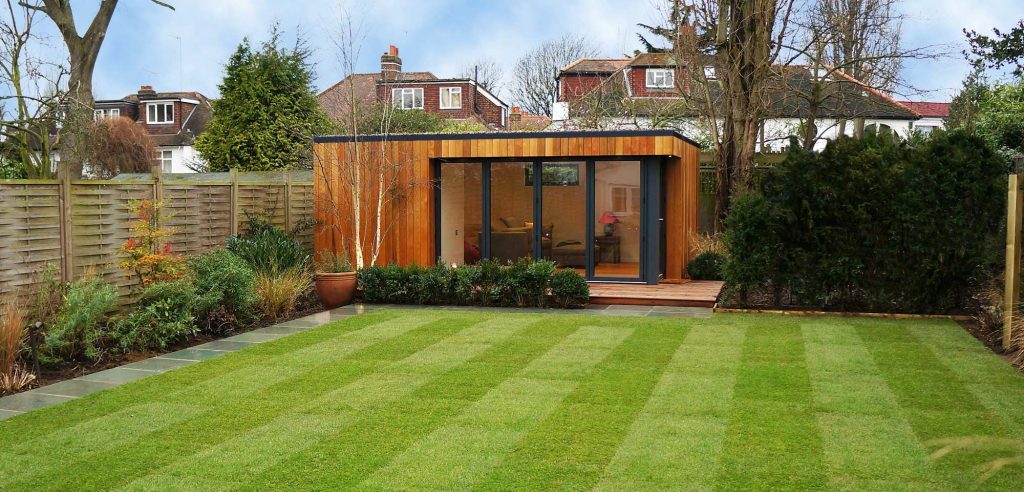
A well-designed garden house can transform an outdoor area into a practical and inviting extension of your home. Whether you have a compact urban garden, a spacious backyard, or a landscaped outdoor retreat, the right design can provide valuable space for work, relaxation, hobbies, storage, or entertaining.
Modern garden buildings come in many shapes, sizes, and styles, making it easier to find an option that complements your property. From traditional timber structures to contemporary garden studios, there is a design to suit almost every outdoor setting.
If you are looking for year-round functionality, an insulated garden office can provide a comfortable dedicated workspace without taking over a room inside your home. Let’s explore some garden house ideas for different outdoor spaces and lifestyles.
1. Compact Garden House for Small Outdoor Spaces
Limited garden space does not mean you have to miss out on the benefits of a garden house. A compact structure can fit neatly into a smaller yard while creating useful additional space.
For a small garden, consider a narrow garden house with large windows or glazed doors. This helps bring natural light inside and can make the structure feel more spacious. Vertical storage, built-in shelving, and multifunctional furniture can also help maximise every available metre.
A compact garden house can work as a reading room, hobby area, home gym, or peaceful retreat. Choosing a simple design with a neutral exterior can help the building blend naturally into its surroundings.
2. Insulated Garden Office for Remote Work
Working from home can be challenging when you do not have a dedicated workspace. An insulated garden office offers a practical solution by creating separation between your professional and personal life.
Insulation is particularly useful if you want to use the office throughout the year. Combined with suitable heating, ventilation, lighting, and electrical systems, an insulated structure can provide a comfortable environment for daily work.
When planning a garden office, think carefully about desk placement, window positioning, internet connectivity, storage, and lighting. A garden-facing window can provide an attractive outlook while helping the room feel bright and welcoming.
An insulated garden office can also be designed around your working habits. A compact office may suit one person, while a larger garden building could accommodate two desks, meeting space, storage, or creative equipment.
3. Contemporary Garden House for Modern Properties
For modern homes, a contemporary garden house can create a seamless connection between the house and outdoor space. Clean lines, large glazed areas, timber cladding, and simple architectural forms are popular choices.
A contemporary design does not necessarily need to be large. Even a modest garden building can look impressive when its proportions, materials, and placement are carefully considered.
Think about the existing architecture of your home when choosing finishes. Matching or complementary colours can create visual consistency, while contrasting materials can make the garden house a distinctive feature.
4. Traditional Timber Garden House
If you prefer a classic appearance, a timber garden house can bring warmth and character to your outdoor space. Natural wood works particularly well in gardens with established planting, lawns, trees, and flower beds.
Traditional designs can include pitched roofs, timber doors, framed windows, and decorative details. They can be used as garden retreats, workshops, hobby rooms, or storage areas.
Timber also provides flexibility when it comes to finishes. You can stain or paint the exterior to complement your garden and property. With appropriate maintenance, a well-built timber garden house can remain an attractive feature for years.
5. Garden Buildings for Hobbies and Creativity
A garden can be much more than a place for plants and outdoor furniture. Garden buildings can provide dedicated rooms for hobbies that require additional space.
Artists may benefit from a naturally lit studio, while musicians can create a private practice room. Garden buildings can also be used for crafting, photography, sewing, gaming, model making, or other creative activities.
Design the interior around the activity. For example, an artist may need wide work surfaces and strong natural lighting, while a hobby workshop may require storage, durable flooring, and additional electrical outlets.
Having a separate hobby space can also make it easier to keep creative equipment organised rather than storing everything inside the main house.
6. Garden House as a Relaxation Retreat
A garden house can become a private place to relax away from the distractions of everyday life. With comfortable seating, soft lighting, and attractive views, it can function as a peaceful retreat.
Consider positioning the building where it overlooks the most enjoyable part of your garden. Large windows or glazed doors can strengthen the connection with nature.
You could use the space as a reading room, yoga studio, meditation area, or simply somewhere to enjoy a cup of coffee. Adding plants, natural materials, and comfortable furnishings can create a calm atmosphere.
7. Family-Friendly Garden House Designs
Families can use a garden house in many ways. A larger building could become a playroom, games room, study area, or flexible family space.
The design should take practicality and safety into account. Durable surfaces, sufficient ventilation, good lighting, and easy-to-clean finishes can make the space more suitable for everyday family use.
As children grow, the purpose of the garden house can change. A playroom can eventually become a study, hobby room, or teenage retreat. Choosing a flexible layout can therefore make the investment more useful over time.
8. Choosing the Right Garden Building
Before selecting from different garden buildings, consider how you intend to use the space. Your purpose will influence the size, layout, insulation, windows, doors, heating, electrical requirements, and internal finishes.
You should also assess the available garden area. Measure the proposed location carefully and consider access for installation. Think about sunlight, drainage, existing trees, neighbouring properties, and the relationship between the new building and your home.
Planning the design around your actual needs can help prevent wasted space. A smaller, thoughtfully designed garden house may be more useful than a larger structure with an inefficient layout.
9. Making Your Garden House Blend Into the Garden
The best garden house designs feel like a natural part of the outdoor environment. Landscaping can help connect the building with the surrounding garden.
Pathways, planting beds, shrubs, climbing plants, and outdoor lighting can soften the appearance of the structure. You can also use matching materials or complementary colours to create a cohesive look.
Consider the view from inside the garden house as well. Positioning windows toward trees, flowers, lawns, or other attractive features can make the space more enjoyable.
Conclusion
There is no single design that works for every outdoor space. The ideal garden house depends on your garden size, property style, intended use, and personal preferences.
A compact structure can maximise a small garden, while an insulated garden office can create a dedicated year-round workspace. Traditional timber designs can add character, while contemporary garden buildings can complement modern properties.
By considering functionality, insulation, natural light, materials, landscaping, and future use, you can create an outdoor building that adds practical and enjoyable space to your property. Whether you want a productive office, creative studio, relaxing retreat, or flexible family room, the right garden house can make your outdoor space work harder for you.


