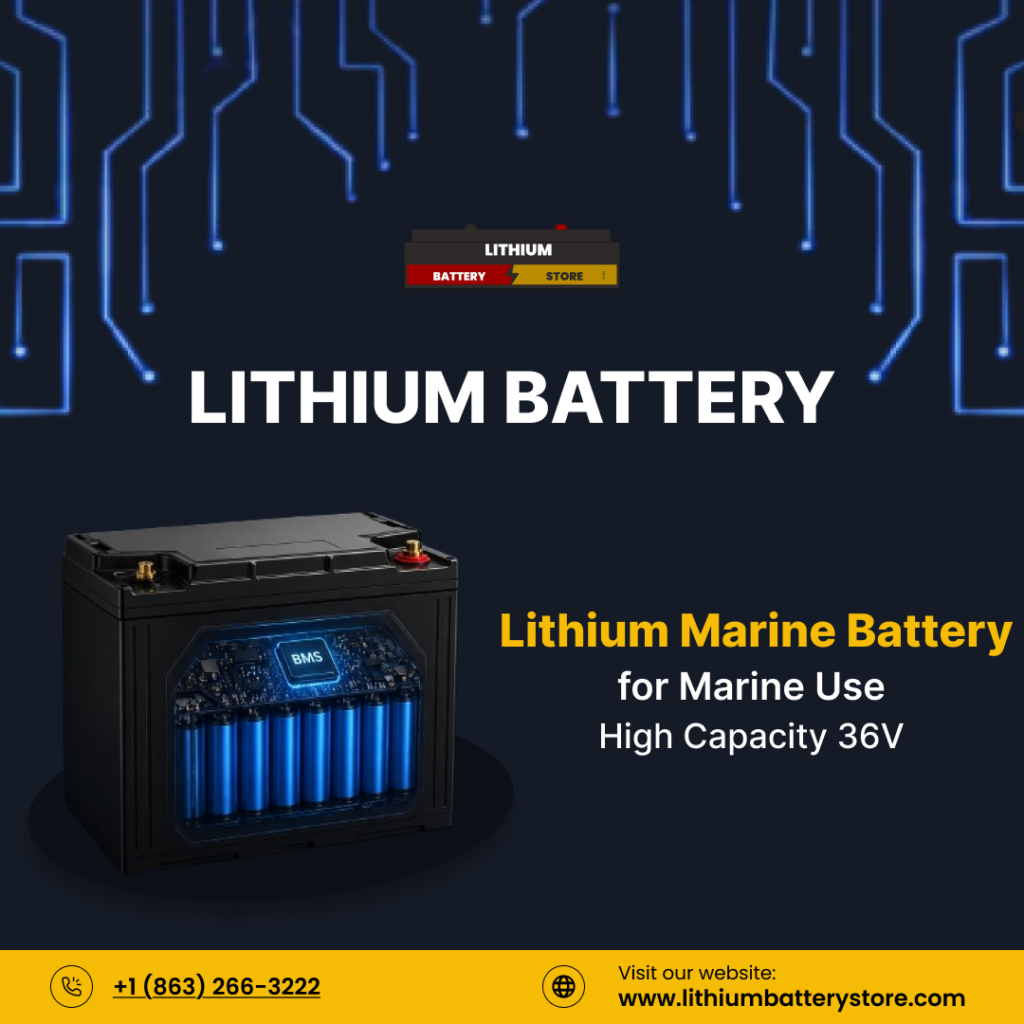
Choosing the right battery is essential for reliable power, efficient operation, and long-term performance. Whether you need a battery for electrical equipment, portable power applications, or a golf cart, understanding your options can help you make a better decision. A 24V lithium battery pack can provide dependable energy for compatible equipment, while a 48V lithium golf cart battery is designed to meet the power requirements of suitable electric golf carts. Understanding their features, benefits, and applications can help you choose the right solution for your needs.
Understanding a 24V Lithium Battery Pack
A 24V lithium battery pack is designed for equipment and electrical systems that operate with a compatible 24-volt power supply. These batteries are used in various applications, including mobility equipment, marine electronics, portable power systems, and certain industrial devices.
Lithium battery technology is popular because it offers a favorable balance of energy storage, weight, and performance. Compared with many traditional lead-acid batteries, lithium options can be lighter and require less routine maintenance, depending on the battery chemistry and design.
When choosing a 24V lithium battery pack, consider its capacity, discharge rating, dimensions, and charging requirements. Capacity is commonly measured in amp-hours (Ah) and indicates how much electrical charge a battery can store. A higher-capacity battery may provide longer operating time, provided the equipment’s energy consumption remains similar.
Compatibility is equally important. Check that the battery’s voltage, connectors, and discharge capabilities meet the equipment manufacturer’s requirements before purchasing.
Exploring a 48V Lithium Golf Cart Battery
A 48V lithium golf cart battery provides power for compatible electric golf carts used on golf courses, residential properties, resorts, and other suitable locations. The battery supplies energy to the motor and electrical components, influencing the cart’s operating time and overall performance.
Lithium batteries have become an attractive option for golf cart owners because they can offer lower weight and reduced routine maintenance compared with traditional lead-acid battery systems. Depending on the model, they may also provide efficient charging and a long service life under appropriate operating conditions.
When comparing a 48V lithium golf cart battery, check its capacity, continuous discharge rating, peak current capability, and compatibility with the cart’s motor controller. These specifications help determine whether the battery can support the vehicle’s power demands.
It is also important to confirm the battery dimensions, mounting arrangement, and connector type. Even when two batteries share the same voltage, their electrical specifications and physical designs may differ.
Key Differences Between 24V and 48V Lithium Batteries
The main difference between these battery options is their operating voltage and intended application. A 24V lithium battery pack is suitable for equipment designed around a 24V electrical system, while a 48V lithium golf cart battery is intended for compatible 48V golf carts.
Voltage affects how electrical power is delivered within a system. For the same power output, a higher-voltage system can generally operate at a lower current, which may help reduce electrical losses when the system is appropriately designed.
However, these batteries are not interchangeable simply because they use lithium technology. Using an incorrect voltage can damage equipment or create safety risks. Always follow the manufacturer’s specifications when selecting a replacement battery.
Important Factors to Consider Before Buying
Choosing the right battery requires attention to several practical and technical details.
- Battery Capacity
Consider how long the equipment needs to operate between charges. Compare capacity ratings and estimate energy consumption before deciding which battery size is appropriate.
- Battery Chemistry
Lithium iron phosphate (LiFePO4) batteries are often used in applications where a long cycle life and good thermal stability are priorities. Other lithium-ion chemistries may offer different energy-density characteristics. Review the product specifications to understand which option suits your application.
- Battery Management System
A battery management system (BMS) helps protect the battery against overcharging, excessive discharge, and overcurrent. Depending on the model, it may also monitor temperature and provide additional protective functions.
- Charging Compatibility
Use a charger specifically approved for the battery’s chemistry and voltage. An incompatible charger can damage the battery and may create a safety hazard. Check the manufacturer’s charging instructions before use.
- Warranty and Service Life
Compare warranty coverage, expected cycle life, and maintenance requirements. Considering these details alongside the purchase price can help you assess the battery’s long-term value.
Tips for Maintaining Lithium Battery Performance
Proper care can help maintain battery performance and support safe operation. Follow the manufacturer’s recommendations for charging, storage, and operating temperatures.
Keep battery terminals and connectors clean, inspect cables for damage, and ensure the battery is installed securely. Avoid exposing the battery to environmental conditions beyond its specified protection rating.
For golf carts, use charging equipment approved for the battery and avoid exceeding the manufacturer’s operating limits. For other 24V equipment, confirm that the connected device does not draw more current than the battery is designed to supply.
If you notice unusual swelling, excessive heat, or a burning smell, stop using the battery and seek assistance from a qualified professional.
Conclusion
Selecting the right battery depends on your equipment, energy requirements, and expected usage. A 24V lithium battery pack can support a variety of compatible electrical applications, while a 48V lithium golf cart battery can provide power for suitable electric golf carts.
By comparing capacity, chemistry, discharge ratings, charging compatibility, and warranty coverage, you can make a more informed purchasing decision. Choosing a suitable battery and following proper maintenance practices can help support reliable performance and long-term value.


